How To Cook Raw Chicken In Air Fryer
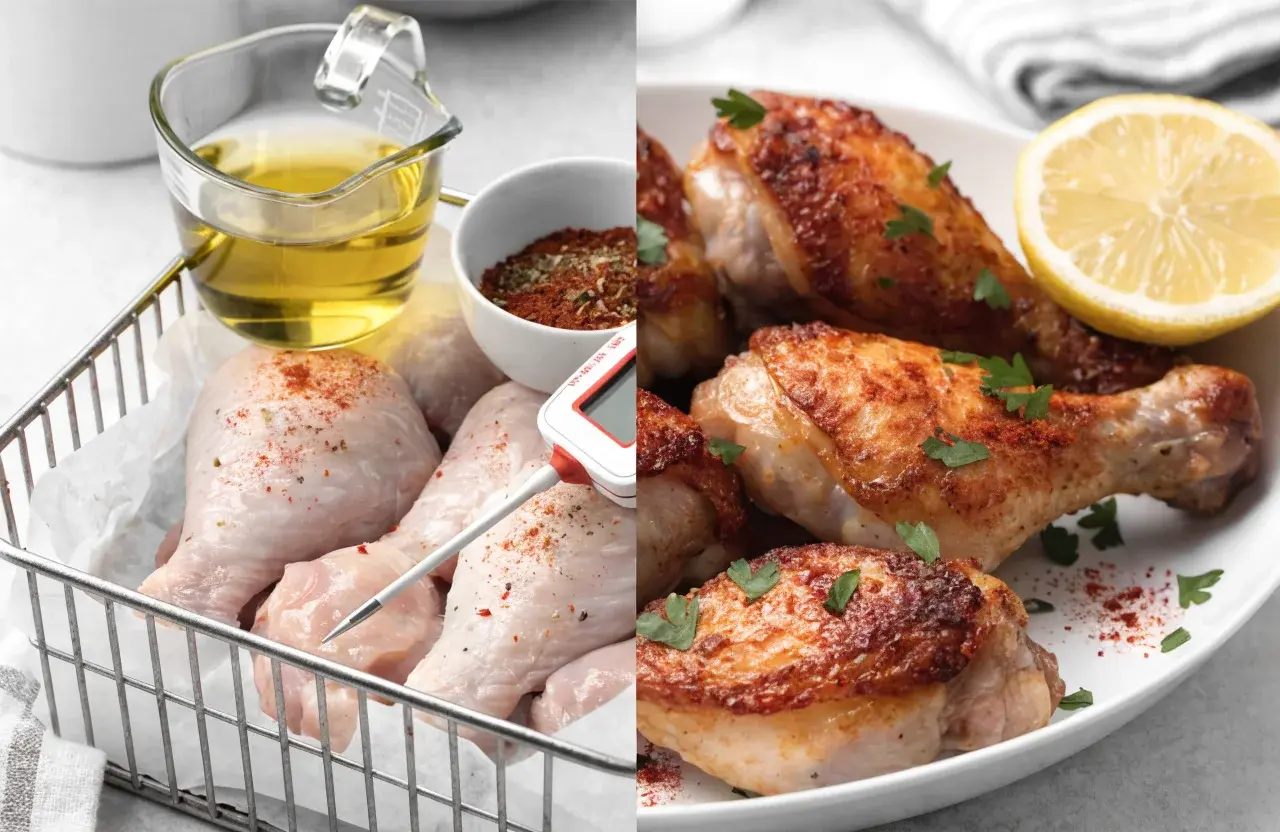
Ready to cook chicken fast without the dry drama? I’ll walk you through a no-fuss air fryer rundown that actually yields juicy, flavorful chicken every time. FYI, you’ll wonder how you ever lived without this gadget in your life.
Why Air Fryer Chicken Beats The Takeout Trap
Air fryers give you crisp edges with less oil, which means cleaner bites and happier taste buds. Do you really need to drown your chicken in butter just to get a nice crust? Not anymore. Your favorite protein can go from meh to wow with a few smart moves.
Think of it as a win-win: less mess, faster cooks, and a texture that’s close to fried—without the guilt. IMO, once you taste that first perfectly cooked strip, you’ll never go back to pan-frying every chicken night.
Prep Like A Pro: Getting Chicken Ready For The Air Fryer
Good chicken starts with good prep. You don’t want tough, dry bites, so set yourself up right from the jump. Here are practical steps you can actually follow.
- Pat dry: Moisture on the surface can steam rather than crisp. Pat the chicken dry with paper towels.
- Trim excess fat: It’s optional, but trimming keeps things neat and helps even cooking.
- Even pieces: Cut into uniform sizes or pound to even thickness for consistent cook times.
- Season generously: Simple salt and pepper work, but don’t be shy with herbs, spices, and a touch of oil.
FYI, marinating isn’t mandatory, but it can boost flavor. If you have 20 minutes, a quick toss in a zip-top bag with a splash of olive oil and your favorite spices makes a big difference.
Seasoning Strategies That Actually Taste Great
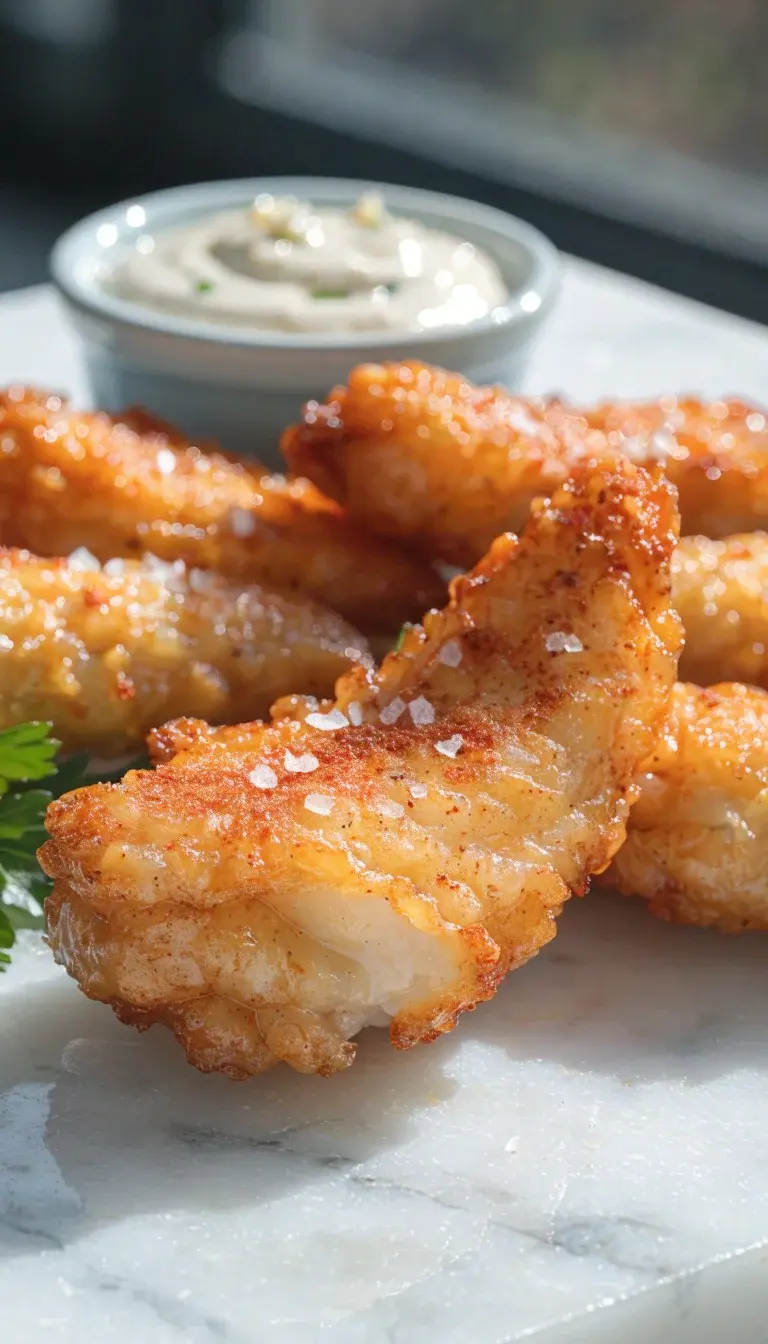
Your seasoning choice sets the vibe. Here are a few easy routes, from everyday to a little extra fun.
- Classic herb blend: salt, pepper, garlic powder, paprika, and a hint of dried thyme.
- Lemon pepper zing: lemon zest or juice with cracked pepper and garlic powder.
- Smoky paprika: smoked paprika, cumin, onion powder, a dash of chili powder.
- Garlic butter finish: after cooking, toss with a quick garlic butter (melted butter with minced garlic and parsley).
Remember: oil helps with browning but too much can make the crust soggy. A light coat keeps things crisp and flavorful. I’m team “less is more” here, unless you’re going for bold, saucy vibes.
Temperature And Time: The Sweet Spot For Juicy Chicken
Crucial question: how long and at what temp? The answer depends a bit on thickness, but here’s a solid baseline you can rely on.
- Chicken breasts (boneless, skinless): 360°F (182°C) for 12–15 minutes, flipping halfway.
- Chicken thighs (boneless): 380°F (193°C) for 14–18 minutes, flip once.
- Chicken thighs (bone-in): 400°F (204°C) for 22–26 minutes, flip at halfway.
Always check for doneness with a meat thermometer. Target an internal temp of 165°F (74°C). If you’re hovering around 160–162°F, give it a couple more minutes and check again. Don’t rely on color alone; it can fool you.
Subsection: How To Tell When It’s Done Without A Thermometer
Temperatures aren’t the only clue. Juices running clear and firm texture show you’re close. If you cut into the thickest part and there’s a hint of pink, it needs more time. Don’t rush the process—overcooked chicken turns tough fast. Trust the thermometer for precision.
Crusty, Juicy Perfection: Crispy Edges Without Dryness
Craving that restaurant-style crust? Here’s how to get it without overdoing oil or carbs.
- Light oil spray: a quick spray helps with browning without sogginess.
- Shake to crisp: give the basket a little shake mid-cook to ensure even browning.
- Crust boosters: a touch of cornstarch or baking powder in your dry rub can boost crispness.
FYI, avoid overcrowding the basket. When the pieces are too close, steam builds up and you lose that coveted crunch. IMO, it’s a small sacrifice for a big, crispy payoff.
Healthy Options: Quick Sauces And Pairings
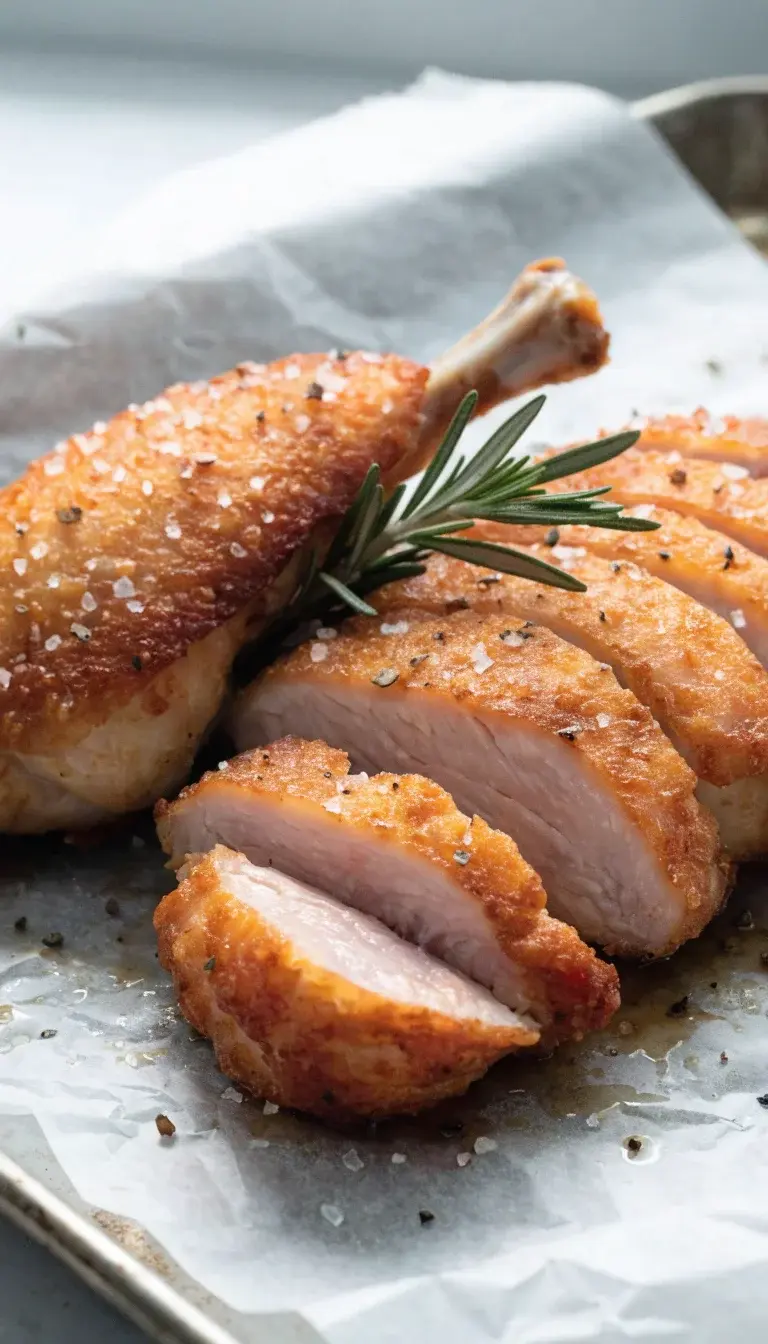
Air-fried chicken shines with a few simple sides or sauces. You don’t need a kitchen full of ingredients to elevate the plate.
- Lemon-herb drizzle: fresh lemon juice, olive oil, minced garlic, chopped parsley, salt, and a pinch of pepper.
- Yogurt-based dip: plain Greek yogurt whisked with garlic, cucumber, dill, and a splash of lemon.
- Sweet chili glaze: a quick mix of chili sauce, honey, and rice vinegar heats up the flavor without overpowering the chicken.
Pair with a simple salad, roasted veggies, or a sturdy grain like quinoa. The goal is balance—protein that feels light but still satisfying. IMO, a bright sauce makes leftovers taste almost new.
Common Pitfalls And How To Avoid Them
We all mess up sometimes. Here are the classic missteps and easy fixes so you don’t waste chicken night.
- Overcrowding: I see you squeezing 12 pieces in. Don’t. Air needs space to work its magic.
- Skipping pat-dry: moisture = steam, not crisp. Pat it down, then season.
- Under-seasoning: if you can taste the seasoning before cooking, you’ll be fine after. If not, re-season after cooking or add a sauce.
- Neglecting thermometer: guesswork is okay sometimes, but not for chicken safety. Get a probe, it’s a game changer.
Subsection: Storing And Reheating Leftovers
Leftovers happen. Store in an airtight container in the fridge for up to 3–4 days. Reheat in the air fryer at 350°F (175°C) for 4–6 minutes, shake halfway, until warmed through and crispy again. FYI, a quick spray of oil before reheating helps maintain texture.
FAQ
Can I cook frozen chicken in the air fryer?
Yes, but you’ll need to adjust time. Start with a longer cook time and finish with a quick high-heat blast to crisp the exterior. Always check for 165°F (74°C) inside before serving.
Do I need to use oil with air fryer chicken?
Not mandatory, but a light coating helps with browning and flavor. Too much oil can weigh the crust down, so keep it light and even.
What if my chicken pieces vary in size?
Cut into uniform thickness or use a meat mallet to even them out. Expect a few extra minutes for larger pieces and start checking a little earlier with a thermometer.
Is it safe to marinate chicken overnight for air frying?
Absolutely. Refrigerate in a sealed bag, then pat dry before cooking. The longer marinade adds flavor, but patting dry afterward helps crispiness.
How do I season chicken for kids who don’t love bold flavors?
Go with a mild version: salt, pepper, garlic powder, a touch of paprika, and a squeeze of lemon. Then offer a dipping sauce on the side for adding personality without overpowering taste buds.
Conclusion
Air frying raw chicken is less intimidating than it sounds, and the payoff is real: juicy centers, crisp edges, and a weeknight miracle worker. Try a couple of flavor combos, keep your pieces uniform, and don’t forget the thermometer. You’ll be turning out reliable, tasty chicken faster than you can say “dinner is served.”