How To Dehydrate Oranges In Air Fryer
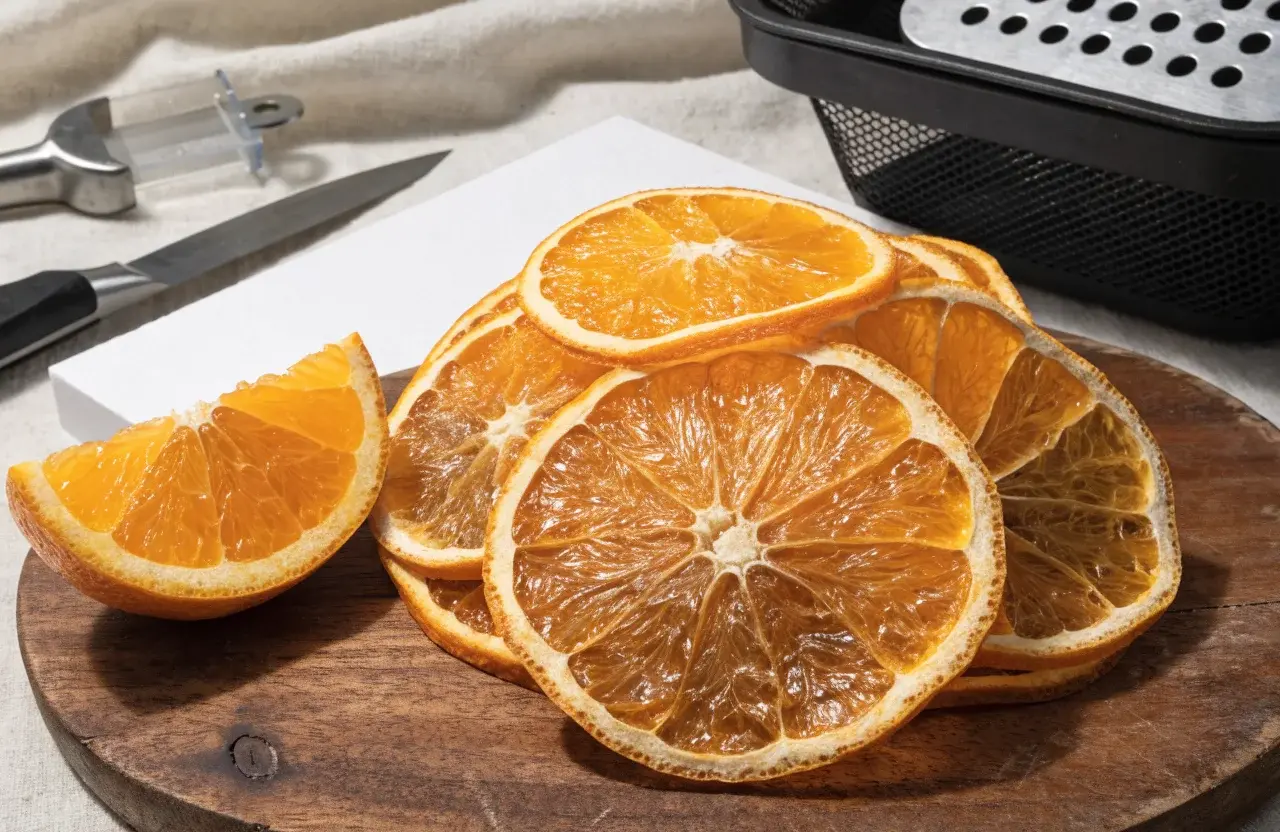
Dehydrating oranges in an air fryer isn’t science fiction, promise. It’s quick, easy, and oddly satisfying. You’ll get crispy, jammy citrus chips you can snack on, bake with, or gift to someone who swears they don’t like oranges. FYI, you’ll want to bookmark this.
Why Dehydrate Oranges In An Air Fryer?
– It’s faster than a dehydrator and less fussy than oven-drying.
– You control sweetness and texture, from chewy to crackly.
– No special equipment required beyond your trusty air fryer.
- Convenience: You probably already own an air fryer, so this is a no-additional-investment win.
- Flavor control: You can adjust time and temperature to get the exact crunch you crave.
- Gifting potential: Homemade orange chips make cute, tasty gifts.
Choosing the Right Oranges
– Look for fruit with bright color, tight skin, and a heavy feel for their size.
– Navel oranges are reliable, but blood oranges add a fancy pink twist if you want color drama.
– Wash thoroughly. You’re drying the peel too, not just the juice.
Prep Step: Zest or No Zest?
Zest adds zing without extra bits of fruit juice, but you’ll need to decide if you want the bright aroma all the way through the chip. If you’re team zest, grate lightly and aim for fine notes rather than grated chunks that crumble.
Prep: Slicing, Soaking, and Poking Holes
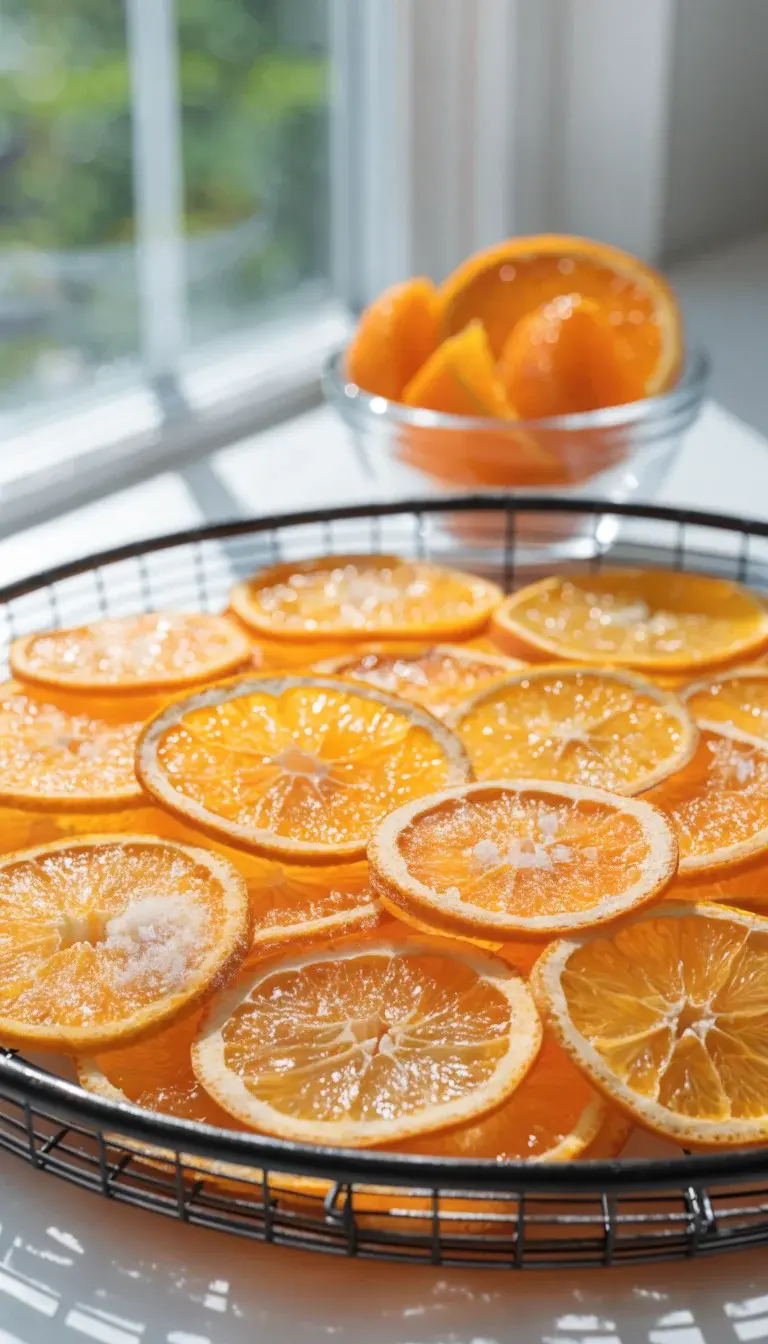
– Slice thickness: Aim for 1/8 to 1/4 inch. Too thick and you’ll be chewy as a gym sock; too thin and you’ll burn fast.
– Optional soak: A quick bath of lemon juice or orange juice for 5 minutes helps prevent browning and boosts flavor. FYI, your kitchen will start smelling amazing.
– Poking holes: If you want even dryness, give each slice a tiny poke with a toothpick. It speeds up moisture escape and reduces bubbles.
Drying vs. Curing: Quick Clarification
Drying means removing moisture to a crispy final texture. Curing would be overkill here unless you’re desperate for a longer shelf life. We’re aiming for snackable, not science-lab precision.
Air Fryer Settings: Temperature, Time, and Tips
– Temperature: 125-135°C (250-275°F) is your sweet spot. This is low and slow enough to dry without scorching.
– Time: Start with 15 minutes, flip, then test every 5 minutes. Most batches land around 20-25 minutes total.
– Check early for hot spots: Air fryers vary; some chew faster on one side. Rotate or flip slices halfway.
– Space matters: Don’t crowd. Overlapping slices trap steam and dull the crisp.
Dehydration Quality Meter
– Soft, chewy chips: 15-20 minutes.
– Crisp, cracker-like: 25-30 minutes.
– If they’re not drying, you can extend in small increments of 2-3 minutes, but keep an eye out for scorching.
Flavor Boosts and Variations
– Sweet glaze: Brush slices with a tiny bit of honey or maple syrup before returning to the air fryer for a sticky, candy-like finish.
– Spice it up: A pinch of cinnamon or chili powder adds complexity for a unique treat.
– Salted citrus: A pinch of flaky salt after drying creates that sweet-salty vibe people love.
Batching For Variety
If you’re feeling extra, dry a batch of plain oranges and another batch with zest, cinnamon, or salt. This way you have a mini pantry of orange moods—savory, sweet, and tangy all in one shelf.
Storage: Keeping Crunch Alive
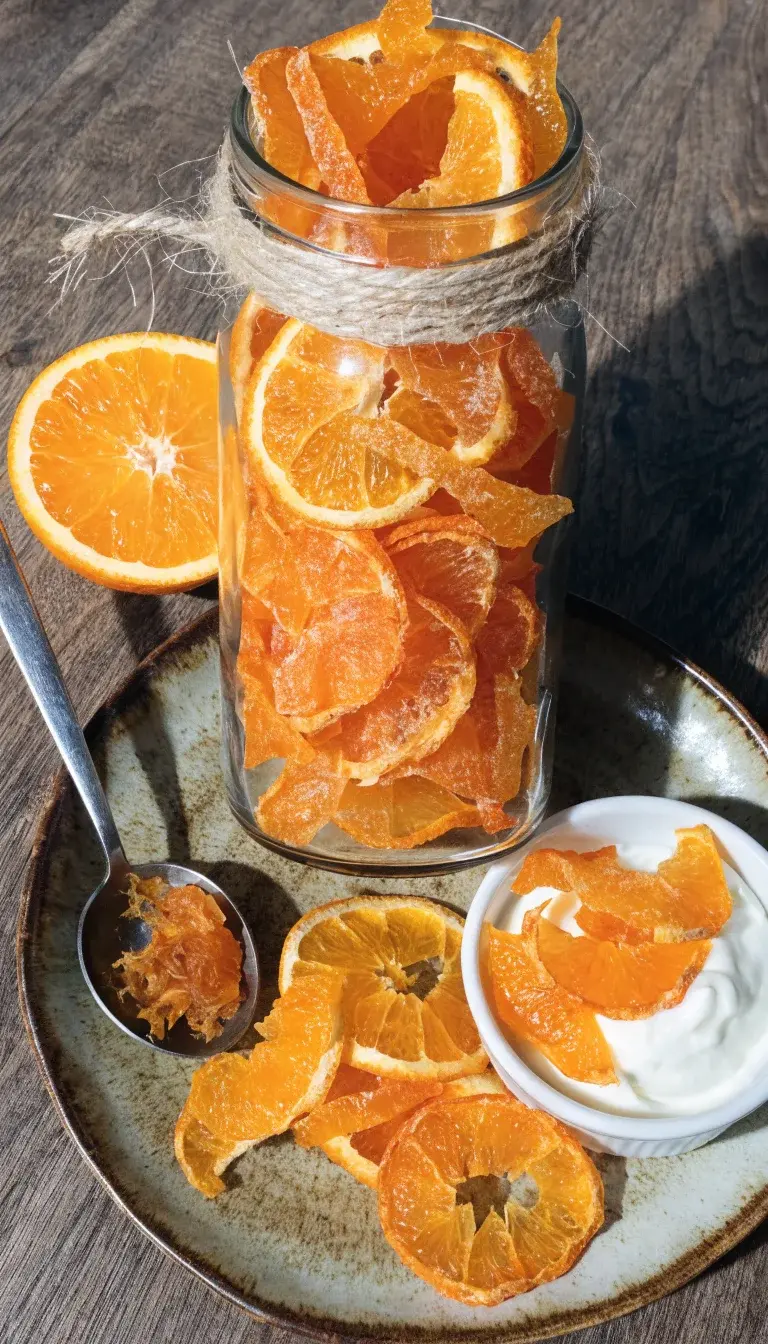
– Cool completely before packing. If they’re warm, condensation wrecks the crisp.
– Storage options:
– Airtight container at room temperature (up to 2 weeks)
– Glass jar with a desiccant packet (optional)
– Vacuum-sealed bag in the fridge for longer life
– Forecast the future: Dried orange chips don’t go moldy quickly, but they can lose crunch if stored in a humid spot.
When They Don’t Crunch Anymore
If your chips go soft, re-crisp them in the air fryer for 2-4 minutes at the same temp. It’s basically a reset button for texture, and it works like magic.
Creative Uses For Dehydrated Orange Chips
– Snackable: Eat them straight for a zesty snack.
– Garnish: They look gorgeous on salads, yogurt bowls, and cocktails.
– Baking: Crush into granola, cakes, or cookies for a bright citrus punch.
– Tea or water infusions: A few chips steeped in hot water or tea give a sunny, natural flavor.
Quick Dessert Idea
Toss a handful into a bowl with dark chocolate shavings and a drizzle of honey. The crunch, the tang, the chocolate—chef’s kiss, for real.
Common Pitfalls And How To Avoid Them
– Overlapping slices: They won’t dry evenly. Give each piece room to breathe.
– High heat burn risk: Don’t jump to 350°F just to speed things up. Flavor, texture, and color suffer.
– Moisture trap: Stop the batch if you see steam or soggy spots. Dry again in short intervals.
FAQ
Can I use frozen oranges?
Fresh is best here. Frozen oranges release extra moisture and can lead to uneven drying. If you only have frozen, thaw completely and pat dry before slicing to minimize trouble.
How long do dried orange chips last?
packaged correctly, they’ll stay crisp for about 1-2 weeks at room temperature. In the fridge, they’ll stay crisp a bit longer, but you’ll want to keep them sealed to avoid moisture.
Do I need to peel the oranges?
Peeling is optional. Leaving the peel on adds color and extra zest, but it can be a bit chewy. If you’re after maximum crunch, peel thinly or slice with the peel removed.
Do I need to soak slices before drying?
Soaking helps prevent browning and can boost flavor, but it’s not mandatory. A quick lemon juice wash for color preservation is enough for most folks.
What’s the best way to store after drying?
Store in an airtight container in a cool, dry place. If your kitchen is humid, a desiccant packet can help, and you can move the container to the fridge to extend life.
Can I add sugar or honey while drying?
Yes, but apply lightly. A thin brush of honey or maple syrup adds a subtle glaze that caramelizes as they dry, giving you a glossy finish and extra sweetness.
Conclusion
Dehydrating oranges in an air fryer is one of those small joys that actually sticks. It’s simple, forgiving, and endlessly customizable. You’ll start with a few slices and end with a tray full of snackable citrus chips that taste like sunshine. So grab a bag of oranges, your air fryer, and get crackling. IMO, it’s the snack upgrade you didn’t know you needed. FYI, you’ll thank me later.