Air Fryer Japanese Eggplant Recipe – Fast, Flavorful, and Weeknight-Friendly
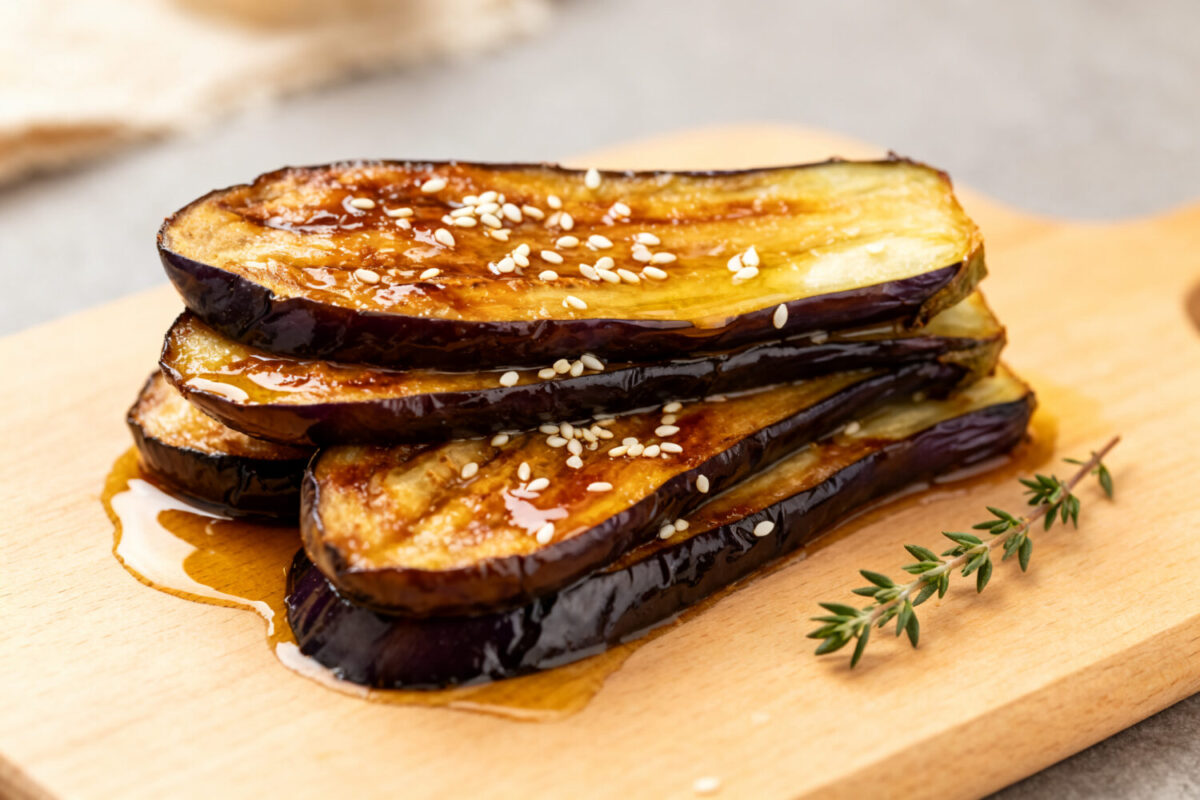
Japanese eggplant cooks up beautifully in the air fryer—tender inside, lightly charred outside, and ready in minutes. If you’re after big flavor without a pile of dishes, this recipe delivers. The savory-sweet glaze clings to the eggplant and caramelizes just enough to taste restaurant-worthy.
It’s a simple side that can easily become the main event with rice, noodles, or tofu. No special skills required—just good ingredients and a hot air fryer.
Air Fryer Japanese Eggplant Recipe - Fast, Flavorful, and Weeknight-Friendly
Ingredients
- Japanese eggplant (3–4 medium; look for firm, glossy skins)
- Soy sauce or tamari (low-sodium if preferred)
- Mirin (Japanese sweet rice wine) or a mix of rice vinegar + a pinch of sugar
- Sesame oil (toasted)
- Garlic (2–3 cloves, minced) or garlic powder
- Ginger (1-inch knob, finely grated) or ground ginger
- Neutral oil (avocado, canola, or grapeseed)
- Honey or maple syrup (optional, for extra gloss and sweetness)
- Rice vinegar (for brightness)
- Sesame seeds (for garnish)
- Scallions (thinly sliced)
- Red pepper flakes or shichimi togarashi (optional heat)
- Cooked rice or noodles (optional, for serving)
Instructions
- Preheat the air fryer to 400°F (200°C). Give it a solid 3–5 minutes to heat so the eggplant starts cooking immediately.
- Prep the eggplant. Wash and dry 3–4 Japanese eggplants. Trim the ends. Slice lengthwise into halves or quarters, or cut into 1-inch thick half-moons. Aim for even pieces so they cook at the same rate.
- Salt and rest. Toss eggplant with 1/2 teaspoon salt and let sit for 10 minutes. This draws out moisture and reduces bitterness. Pat dry with paper towels.
- Make the glaze. In a bowl, whisk 2 tablespoons soy sauce, 1 tablespoon mirin, 1 teaspoon rice vinegar, 1 teaspoon honey (optional), 1 teaspoon toasted sesame oil, 1 minced garlic clove, and 1 teaspoon grated ginger. Taste and adjust: add a splash more soy for salt, vinegar for tang, or honey for balance.
- Oil lightly. Toss eggplant with 1–1.5 tablespoons neutral oil. You want a light sheen, not dripping.
- Air fry the first round. Arrange eggplant in a single layer, cut side up if halved. Cook for 6–8 minutes. Shake the basket or flip halfway for even browning.
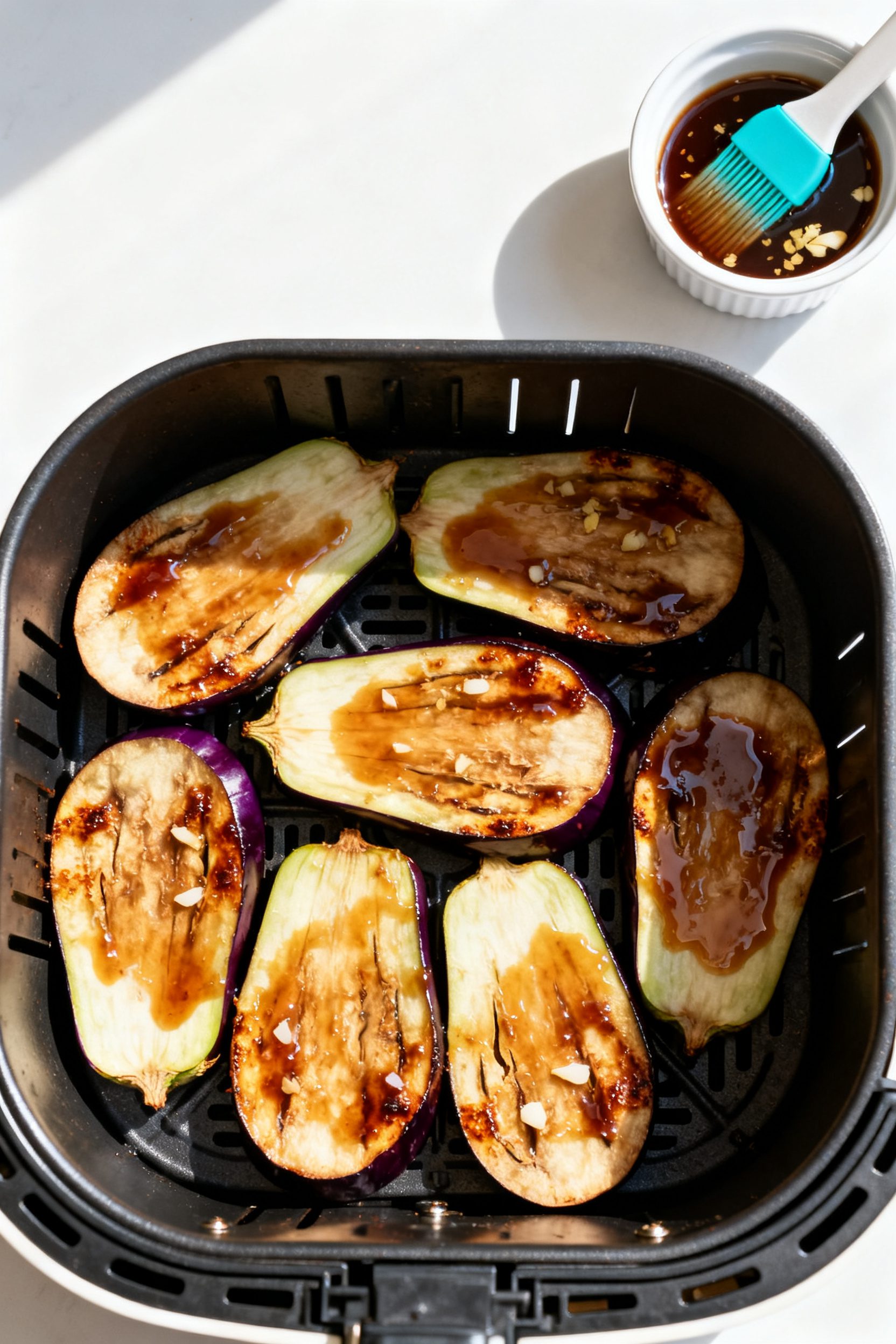
- Glaze and finish. Brush or spoon the glaze generously over the eggplant. Air fry another 3–5 minutes until the edges caramelize and the flesh is tender when pierced with a fork.
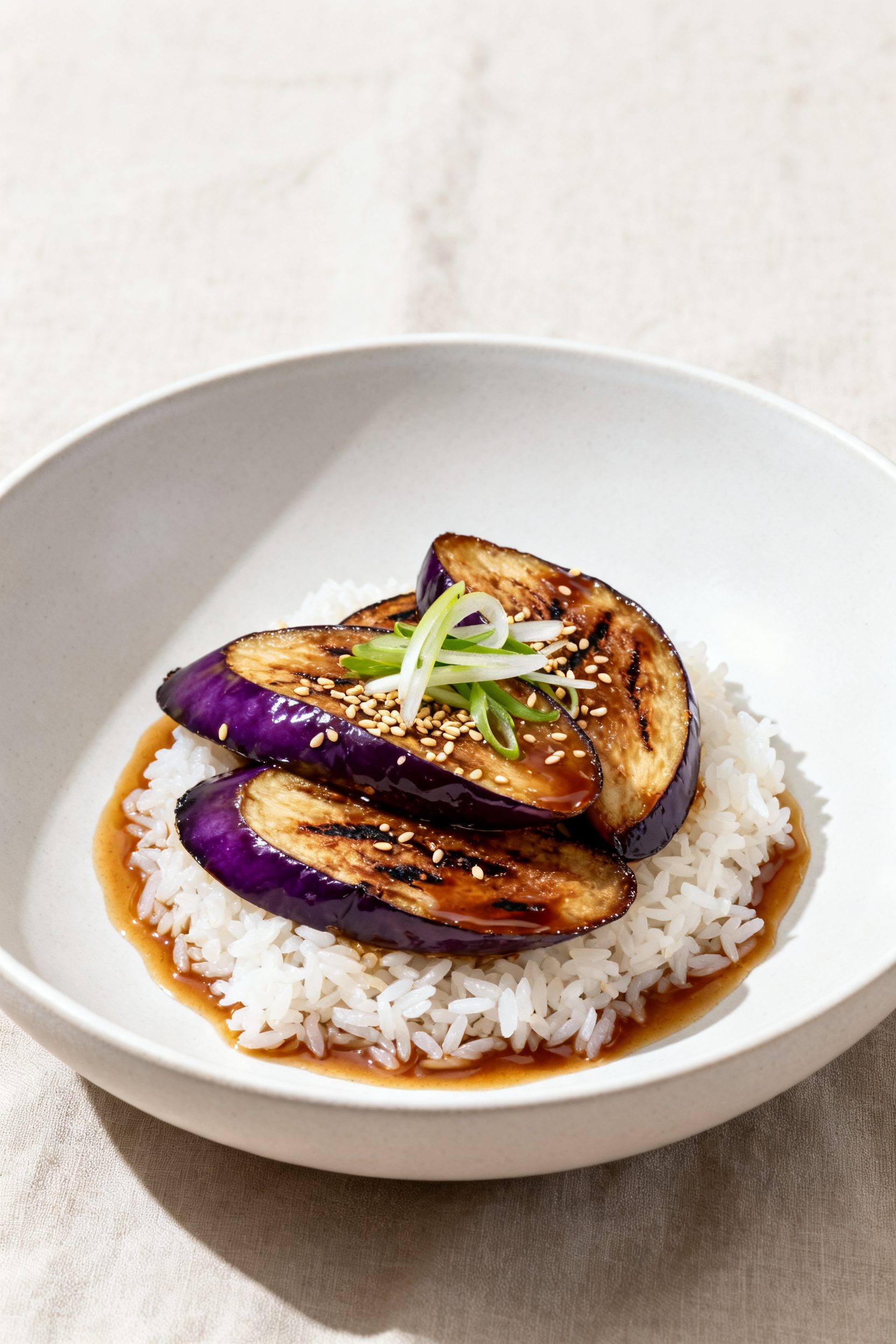
- Garnish and serve. Sprinkle with sesame seeds, sliced scallions, and a pinch of red pepper flakes if you like heat. Serve hot over rice or noodles, or alongside grilled fish, tofu, or chicken.
Why This Recipe Works
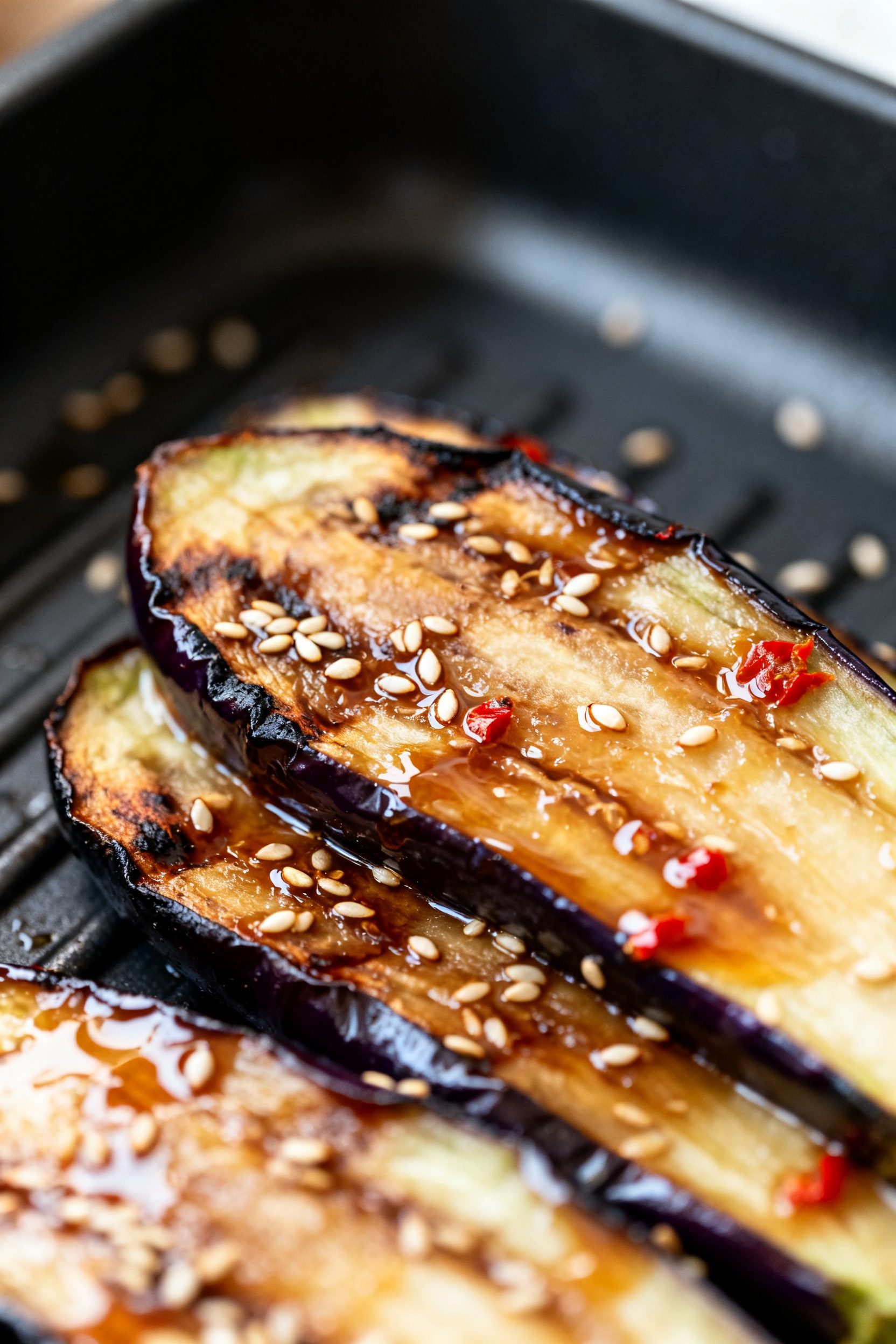
This recipe highlights the natural sweetness of Japanese eggplant while keeping it light. The air fryer circulates hot air around each piece, creating a crisp-tender texture without deep frying.
A quick glaze of soy sauce, mirin, and a touch of sesame oil adds umami and balance. The eggplant soaks up the flavors like a sponge, so every bite tastes seasoned, not soggy. Best of all, it’s fast: from prep to plate in about 20 minutes.
Shopping List
- Japanese eggplant (3–4 medium; look for firm, glossy skins)
- Soy sauce or tamari (low-sodium if preferred)
- Mirin (Japanese sweet rice wine) or a mix of rice vinegar + a pinch of sugar
- Sesame oil (toasted)
- Garlic (2–3 cloves, minced) or garlic powder
- Ginger (1-inch knob, finely grated) or ground ginger
- Neutral oil (avocado, canola, or grapeseed)
- Honey or maple syrup (optional, for extra gloss and sweetness)
- Rice vinegar (for brightness)
- Sesame seeds (for garnish)
- Scallions (thinly sliced)
- Red pepper flakes or shichimi togarashi (optional heat)
- Cooked rice or noodles (optional, for serving)
How to Make It
- Preheat the air fryer to 400°F (200°C). Give it a solid 3–5 minutes to heat so the eggplant starts cooking immediately.
- Prep the eggplant. Wash and dry 3–4 Japanese eggplants.
Trim the ends. Slice lengthwise into halves or quarters, or cut into 1-inch thick half-moons. Aim for even pieces so they cook at the same rate.
- Salt and rest. Toss eggplant with 1/2 teaspoon salt and let sit for 10 minutes.
This draws out moisture and reduces bitterness. Pat dry with paper towels.
- Make the glaze. In a bowl, whisk 2 tablespoons soy sauce, 1 tablespoon mirin, 1 teaspoon rice vinegar, 1 teaspoon honey (optional), 1 teaspoon toasted sesame oil, 1 minced garlic clove, and 1 teaspoon grated ginger. Taste and adjust: add a splash more soy for salt, vinegar for tang, or honey for balance.
- Oil lightly. Toss eggplant with 1–1.5 tablespoons neutral oil.
You want a light sheen, not dripping.
- Air fry the first round. Arrange eggplant in a single layer, cut side up if halved. Cook for 6–8 minutes. Shake the basket or flip halfway for even browning.
- Glaze and finish. Brush or spoon the glaze generously over the eggplant.
Air fry another 3–5 minutes until the edges caramelize and the flesh is tender when pierced with a fork.
- Garnish and serve. Sprinkle with sesame seeds, sliced scallions, and a pinch of red pepper flakes if you like heat. Serve hot over rice or noodles, or alongside grilled fish, tofu, or chicken.
How to Store
Let leftovers cool, then store in an airtight container in the fridge for up to 3 days. The eggplant will soften but still tastes great.
Reheat in the air fryer at 350°F (175°C) for 3–4 minutes to revive the edges. For freezing, it’s not ideal—the texture becomes mushy—so enjoy it fresh when possible.
Health Benefits
Japanese eggplant is low in calories and high in fiber, which supports digestion and keeps you full. The purple skin contains antioxidants, including anthocyanins, that may help reduce oxidative stress.
Using the air fryer cuts down on oil compared to pan-frying, keeping the dish lighter while still satisfying. The soy-based glaze brings umami without heavy sauces, and you can manage sodium by using low-sodium soy and controlling the amount added.
Pitfalls to Watch Out For
- Overcrowding the basket: Too many pieces block airflow and lead to steaming, not browning. Cook in batches if needed.
- Skipping the preheat: A cold air fryer won’t sear well, and your eggplant can turn soggy.
- Too much oil: Eggplant absorbs oil quickly.
A light coat is enough; excess will make it greasy.
- Glazing too early: Brush the sauce on during the last few minutes to avoid burning and to help it cling properly.
- Uneven cuts: Varying sizes cook at different speeds. Keep pieces similar for consistent doneness.
Recipe Variations
- Miso-Glazed: Whisk 1 tablespoon white miso into the glaze with a touch more mirin and honey. It adds depth and a savory-sweet finish.
- Spicy Garlic: Add 1 teaspoon chili garlic sauce or a dash of gochujang to the glaze.
Top with extra red pepper flakes.
- Ginger-Scallion: Double the ginger, skip the honey, and finish with a generous pile of fresh scallions and a squeeze of lime.
- Thai-Inspired: Swap mirin for lime juice and add a splash of fish sauce and a pinch of brown sugar. Garnish with cilantro and crushed peanuts.
- Sesame-Crunch: Toss finished eggplant with toasted panko and sesame seeds for texture.
- Complete Meal: Add cubed firm tofu to the basket with the eggplant (press it dry first). Glaze both and serve over rice with steamed greens.
FAQ
What’s the difference between Japanese eggplant and regular eggplant?
Japanese eggplant is longer and slimmer with thinner skin and fewer seeds.
It cooks faster and has a milder, slightly sweeter flavor. It’s perfect for quick air frying because it softens without turning watery.
Do I have to salt the eggplant first?
Salting isn’t mandatory, but it helps draw out moisture for better browning and can reduce any slight bitterness. If you’re short on time, you can skip it, but expect a slightly softer texture.
Can I use globe (Italian) eggplant instead?
Yes, but cut it into smaller, evenly sized pieces and add a couple of minutes to the cook time.
Globe eggplant is thicker and may need extra time to soften.
What if I don’t have mirin?
Use a mix of 1 teaspoon rice vinegar plus 1/2 to 1 teaspoon sugar for each tablespoon of mirin. You can also use a splash of white wine with a pinch of sugar in a pinch.
How do I prevent the glaze from burning?
Apply the glaze during the last 3–5 minutes of cooking. Keep the air fryer at 400°F, and watch closely.
If your sauce contains honey or sugar, it can caramelize quickly; pull it as soon as the edges darken slightly.
Can I make this gluten-free?
Use tamari or certified gluten-free soy sauce. Everything else in the base recipe is naturally gluten-free.
What should I serve with it?
Steamed jasmine rice, brown rice, or soba noodles all work well. For protein, try grilled salmon, teriyaki chicken, or crispy tofu.
A side of quick-pickled cucumbers adds a nice contrast.
How do I know when the eggplant is done?
The flesh should be tender when pierced with a fork, and the edges lightly browned. If it still feels spongy in the center, give it another 2–3 minutes.
Final Thoughts
Air-fried Japanese eggplant is one of those low-effort, high-reward dishes you’ll keep in rotation. It’s quick, adaptable, and tastes like more work than it is.
With a simple glaze and a hot air fryer, you get tender, flavorful eggplant that fits weeknights and dinner parties alike. Keep the ingredients stocked, and this recipe becomes your reliable, go-to side—or a complete meal with rice and tofu.