How To Dry Herbs In Air Fryer
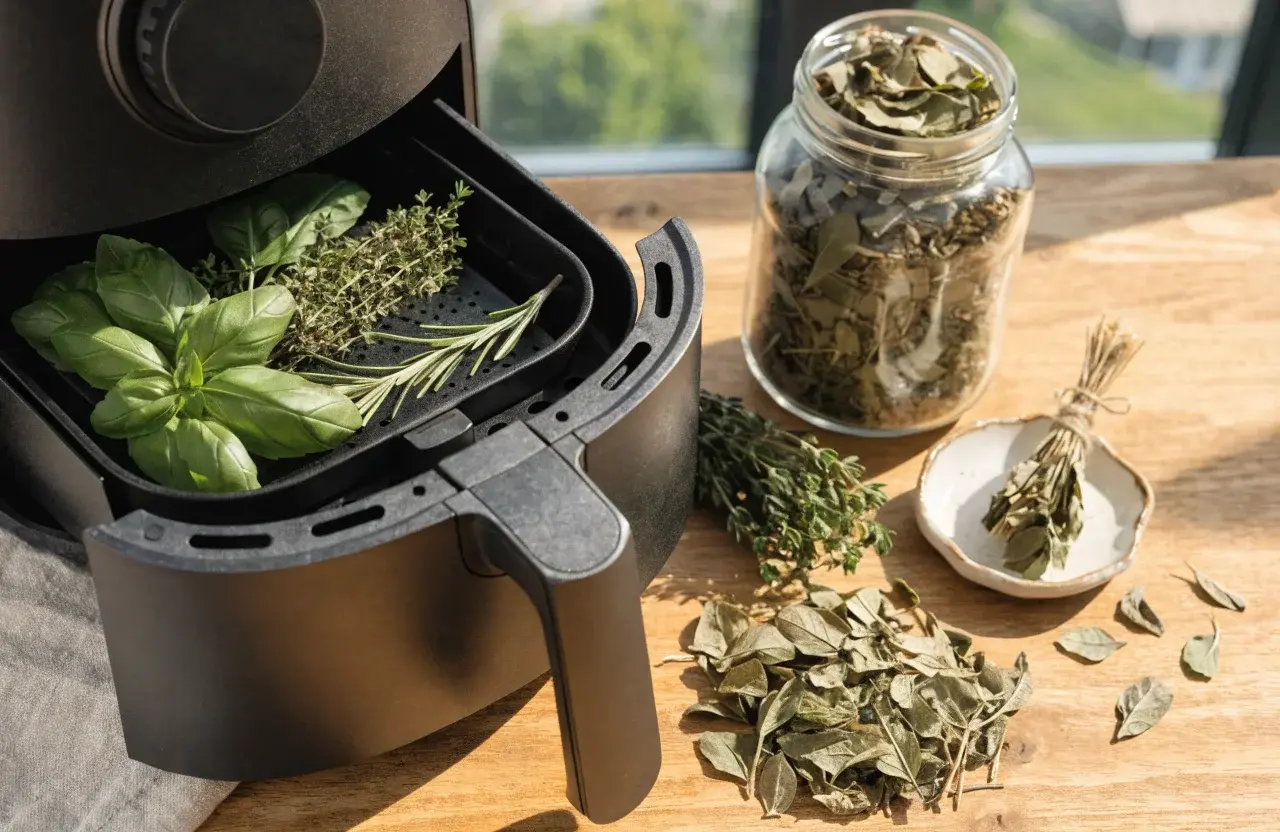
An air fryer isn’t just for crispy chicken wings and fries. It can be your speedy herb-drying sidekick, turning fresh sprigs into shelf-stable flavor bombs in a fraction of the time. Ready to get fragrant, shelf-stable herbs without heating up the whole kitchen? Let’s dive in.
Why Use an Air Fryer for Drying Herbs?
– It’s fast. Drying traditionally can take days; in an air fryer you can get workable dryness in under an hour.
– It’s gentle if you dial it right. You don’t scorch leaves; you just coax moisture out.
– It’s convenient. No sun, no drying rack drama, and your kitchen stays tidy.
Choosing the Right Herbs
– Basil, oregano, thyme, and rosemary dry beautifully. Mint and dill can dry, but they’re more delicate and might lose color.
– Don’t overdo it with delicate greens like cilantro or parsley; they bruise easily and aren’t ideal for long-term storage.
– Wash and pat dry thoroughly before you start. Wet herbs steam and get soggy, which you don’t want.
Prep Steps That Save Your Flavor
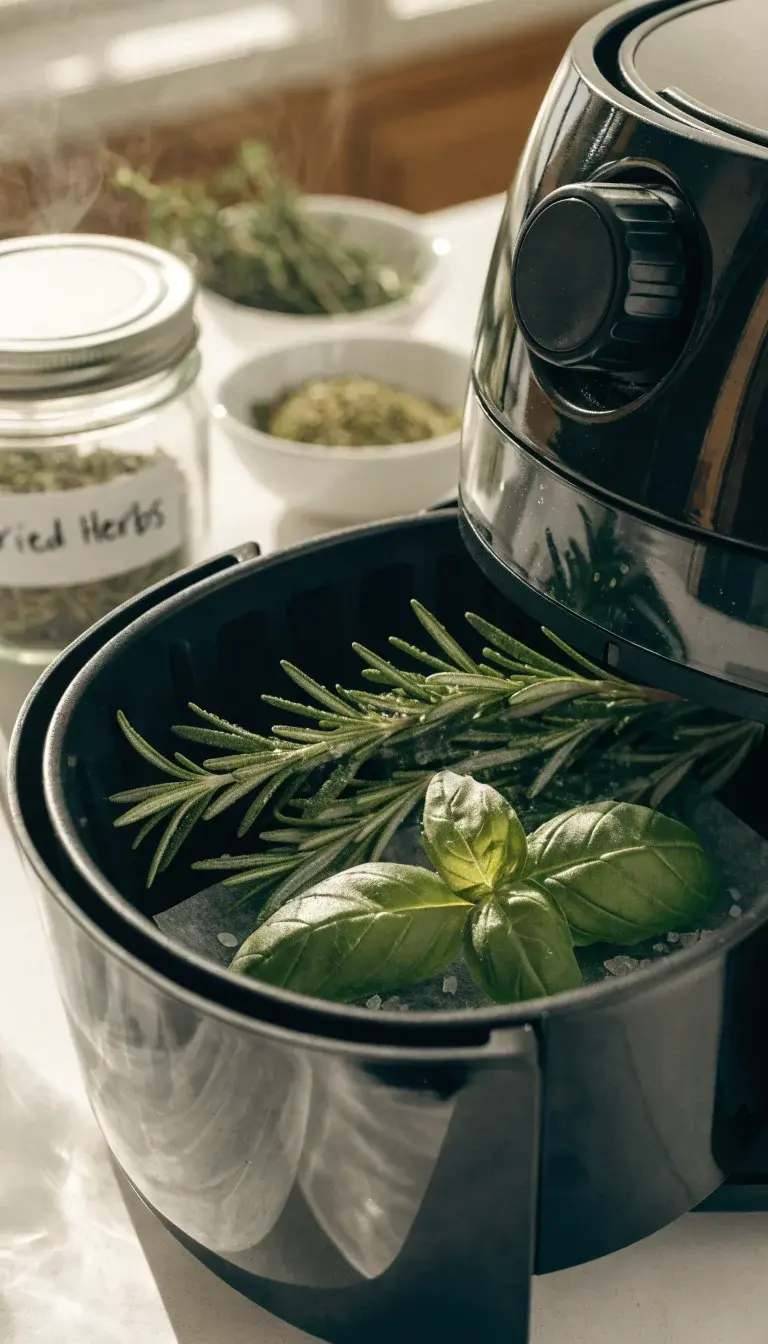
– Trim stems to uniform lengths so they dry evenly.
– Remove excess moisture. Pat dry, then spin in a salad spinner if you have one.
– If you want to keep color brighter, consider a quick blanch (rarely needed) or a light drizzle of lemon juice on lemony herbs.
How To Dry Herbs In Air Fryer: Step-By-Step
- Preheat your air fryer to the lowest setting possible, usually 180–200°F (82–93°C). If your unit runs hot, aim for the lower end.
- Spread a single layer of herbs on the basket or a parchment-lined tray. Don’t crowd them; air needs to circulate.
- Set the timer for 5–10 minutes. Check every few minutes to prevent scorching. Flip or shake halfway through for even drying.
- When dry and brittle, remove and let cool completely before storing.
- Store in airtight containers away from light for best flavor. You’re aiming for a whisper of fragrance, not a plant-scent storm.
Texture and Doneness: How Do You Know They’re Ready?
– Properly dried herbs crackle when you crumble them in your hand.
– They should crumble easily; if they feel pliable or damp, give them a few more minutes.
– Avoid turning them to powder; you want a crumble that disperses cleanly in dishes.
Common Pitfalls And How To Side-Step Them
- Overcrowding: It’s the enemy of even drying. Keep leaves in a single layer.
- High heat: It scorches quickly. If you smell burned notes, reduce the temperature next time.
- Moisture: Moist herbs take longer and can mold. Dry thoroughly before storing.
- Color fade: Some herbs darken slightly. If that bothers you, use them sooner or mix with green herbs for a brighter blend.
Alternative Quick Dry Methods
– If you’re in a hurry and don’t want to risk heat, microwave spares of herbs in short 10–15 second bursts. Check often to avoid scorching.
– Conventional air-drying on a rack works well when you aren’t in a hurry, but it takes patience.
Flavor Longevity: How Long Do Dried Herbs Stay Fresh?
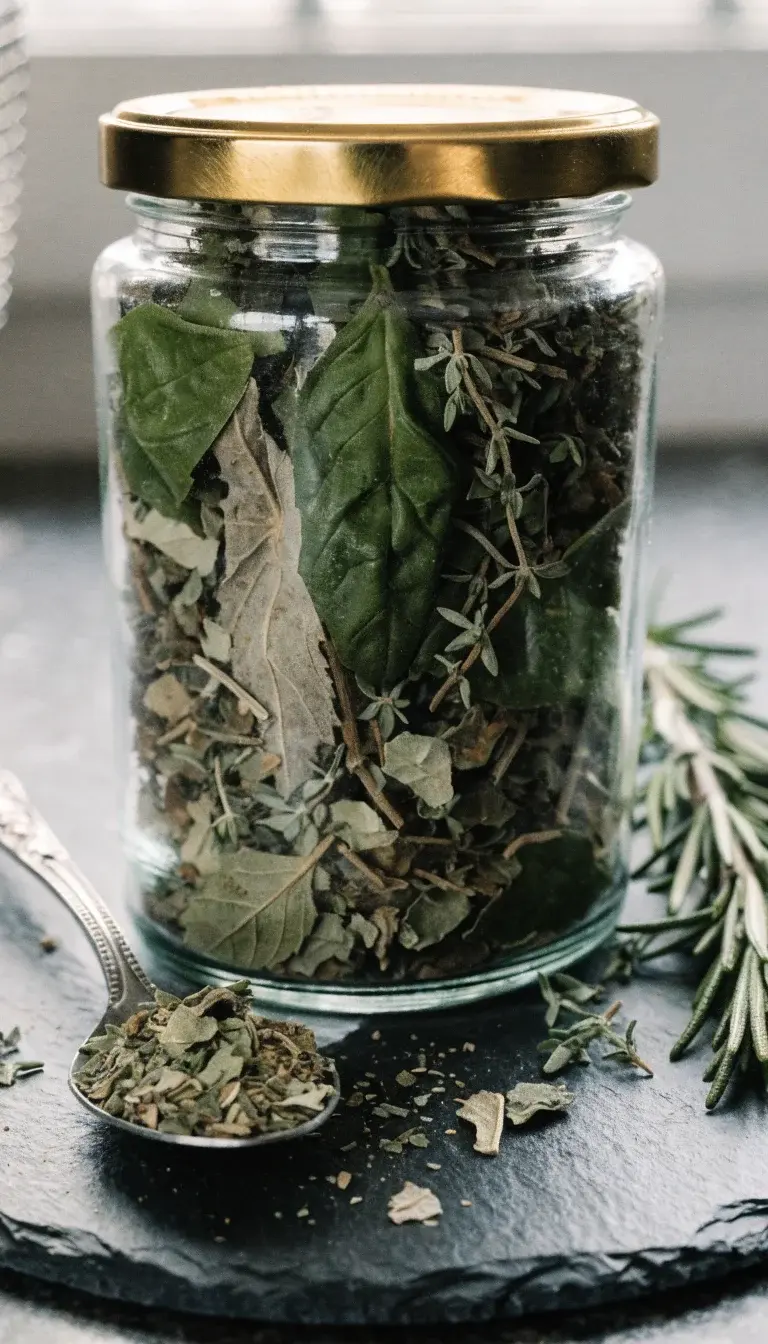
– Most dried herbs retain good flavor for 6–12 months if stored properly.
– Store in an airtight jar away from sunlight and heat. Label with the date.
– FYI: Dried oregano, thyme, and rosemary tend to hold flavor longer than basil or dill.
Creative Ways To Use Dried Herbs
– Sprinkle dried rosemary on roasted potatoes or chicken for a crunchy herby finish.
– Add crushed dried thyme to stews and soups for an earthy depth.
– Rehydrate them briefly in hot water or oil to release aroma before adding to sauces.
– Blend dried herbs into spice blends, like Italian seasoning or Herbes de Provence.
DIY Herb Blends You’ll Want Right Now
– Basic Italian Blend: dried basil, oregano, thyme, and a pinch of marjoram.
– Garden-Robust Blend: rosemary, thyme, sage, and a touch of garlic powder.
– Bright Citrus Blend: dill, parsley, lemon zest (dried) for seafoods and salads.
Safety And Maintenance: Keep Your Air Fryer Happy
– Clean the basket and tray after each use to prevent oil buildup, even if you aren’t cooking fried foods.
– Don’t use oil on the herbs; moisture is all you want, not slick residues.
– If you notice a musty smell after drying, it’s a sign some herbs weren’t fully dried; discard and try again with better airflow.
Storage Tips To Maximize Flavor
– Use dark glass jars if possible; light can degrade essential oils over time.
– Place containers in a cool, dark cabinet rather than on the counter.
– Label with the date and the herb name so you rotate your stash.
Conclusion: Your Quick, Flavorful Dry Herb Hack
Drying herbs in an air fryer is a game-changer for busy cooks who want maximum flavor with minimal fuss. It’s fast, simple, and surprisingly forgiving if you keep the heat low and the layers sparse. Next time you bring home fresh basil or thyme, consider drying a batch so you always have a flavor boost ready to go. If you’re curious, give it a try this weekend—you’ll wonder why you didn’t start sooner.
FAQ
Can I dry all herbs in an air fryer?
Yes, but delicate herbs may lose color or aroma faster. Start with sturdy varieties like rosemary, thyme, oregano, or sage, then experiment with smaller batches of basil or dill to see what works best for you.
What’s the best temperature for drying herbs?
Keep it on the low side, around 180–200°F (82–93°C). Higher temps can scorch leaves and ruin flavor.
Do I need to wash herbs before drying?
Yes, rinse quickly to remove dirt, then pat dry thoroughly. Any remaining moisture can lead to soggy leaves or mold.
How long do dried herbs last in storage?
Typically 6–12 months for best flavor, provided they’re stored in airtight containers away from light and heat.
Can I rehydrate dried herbs before cooking?
Absolutely. Crush or crumble them between your fingers, then rehydrate briefly in hot water or broth to release aroma before adding to dishes. This boosts flavor and aroma right where you need it.