How To Preheat An Air Fryer
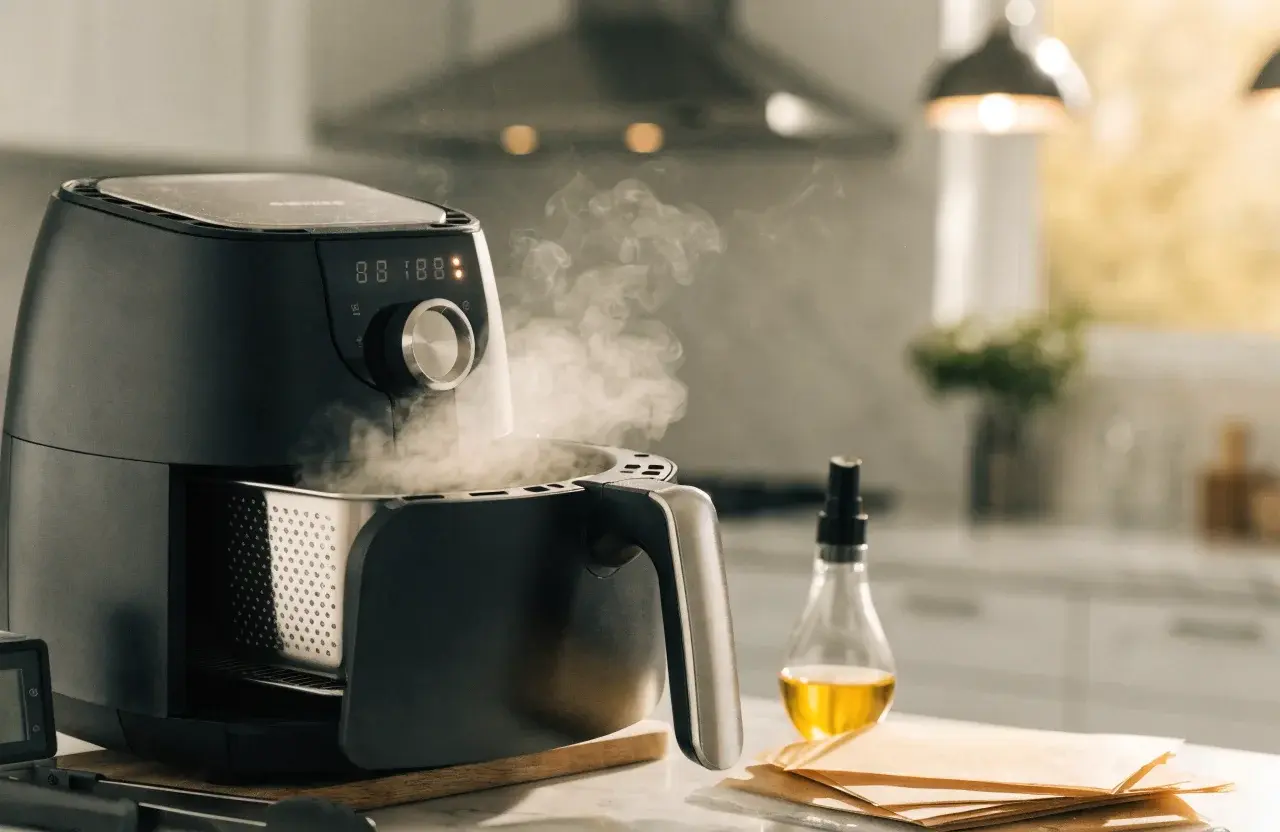
Preheating an air fryer isn’t just a prelude to crispy perfection—it sets the stage for evenly cooked, drool-worthy outcomes. If you’ve been skipping this step, you’re missing out on that supremely even bite. Let’s fix that fast, with a few simple tricks and no fluff.
Why Preheating Matters More Than You Think
Think of preheating as giving your air fryer a jump start. Food heads in with a head start on sizzling surface contact, which means crisper exteriors and juicier interiors. Skipping it can lead to uneven cooking, soggy middles, and a lot of door-opening guesswork. FYI, it’s not magic—it’s science in a compact metal shell.
What Preheating Does to Food
Even heat distribution helps every bite cook at roughly the same rate. Better Maillard reaction means that crave-worthy browning. And yes, shorter total cook time is often the side perk.
Basic Preheat Method (The Fast Lane)
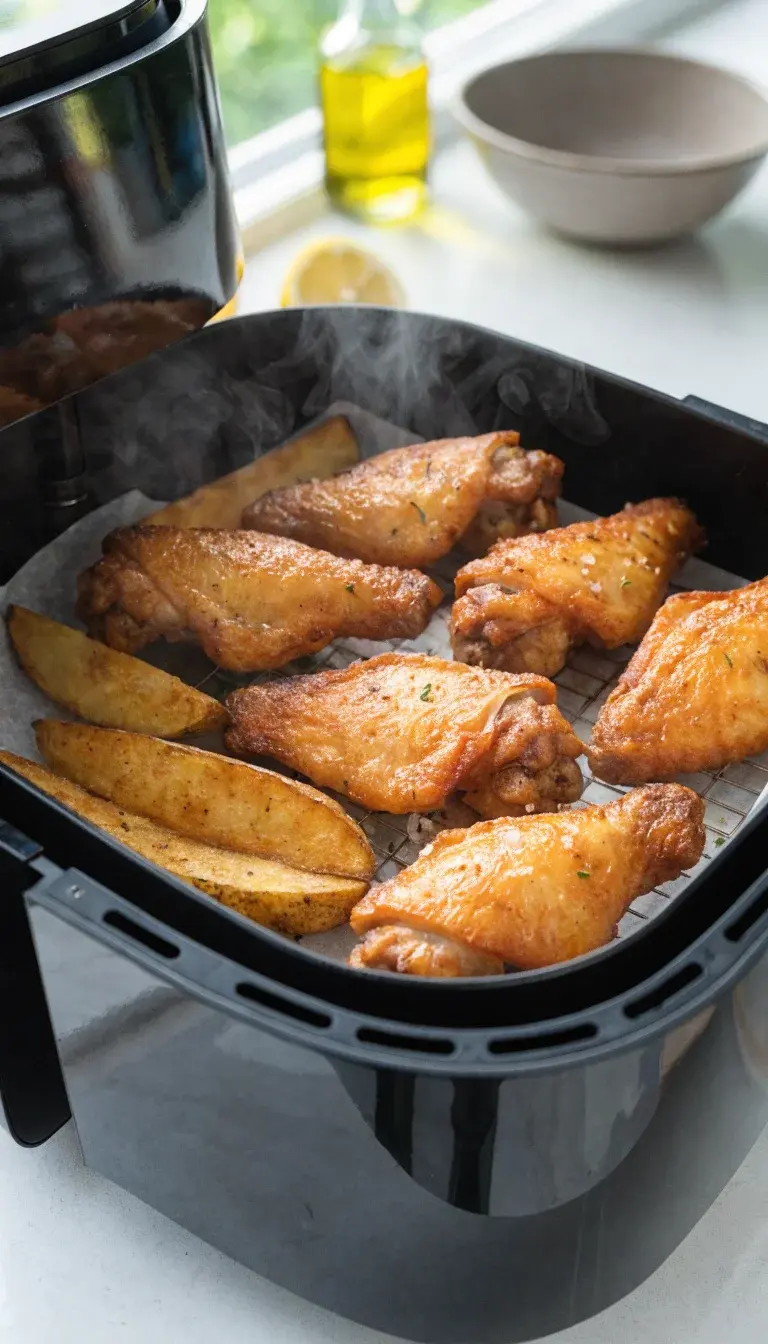
If you’re in a rush or just want something foolproof, this method covers most situations. It’s basically three steps, done right in under 5 minutes.
- Turn on the air fryer to the target temperature for your recipe (usually 350–400°F / 175–200°C).
- Let it run for about 2–3 minutes without food. Your fryer will heat up, and that’s when the magic starts.
- Slide in your ingredients and start cooking as directed.
Quick Tips for a Smooth Start
- Don’t crowd the basket. Air needs space to move—otherwise you’ll steam instead of crisp.
- Lightly oil or spray your food if the recipe calls for it. It helps with browning and sticking less.
- Always preheat with the right temperature. Heating to 350°F when a recipe needs 400°F is a waste of time and vibes.
When You Should Always Preheat (And When You Might Skip It)
Most frozen foods benefit from preheating, but some quick snacks barely need it. The key is thinking about surface temperature and how long the food has been sitting out before cooking.
Frozen vs. Fresh: A Preheating Decision
Frozen items usually need a quick preheat to snap into crispy mode. Fresh ingredients can still benefit—especially if you’re chasing a uniform crust. Do you really want a soggy center? Me neither.
Size Matters: How Full Is Your Basket?
If you’re loading a lot, preheating helps ensure heat reaches the middle quickly. If you’ve got a tiny amount, you might get away with a shorter warm-up, but don’t skip it entirely—better to be safe than disappointed with a limp fry.
Techniques for Perfect Preheating Every Time
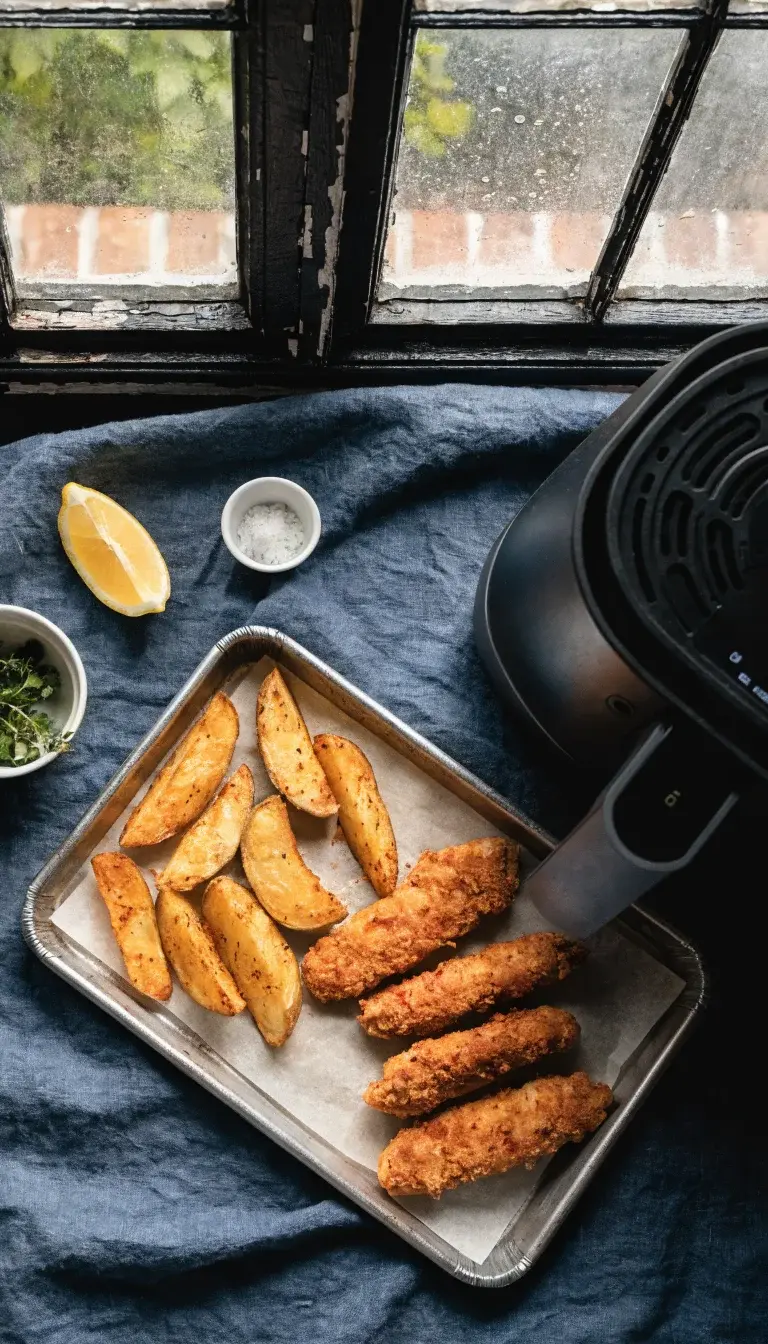
Here are some practical moves to dial in that perfect preheat, no matter what you’re cooking.
Use the Right Temperature for Your Recipe
Always match the preheat temp to the recipe’s final cooking temp. If your dish lands at 425°F, don’t simmer at 350°F during preheat—that’s a recipe for undercooked crusts and frustrated taste buds.
Preheat Duration: Don’t Overthink It
Two to three minutes is the sweet spot for most foods. If you’re cooking something dense or thick, extend to four minutes. If you’re doing tiny, delicate bites, one to two minutes might suffice—but monitor closely.
Texture Wins: How Preheating Affects Crispiness
That sizzle you hear isn’t just for drama—it signals efficient heat transfer. A properly preheated air fryer begins sealing in moisture and browning the exterior faster, giving you a crisper finish with less oil. FYI, you’ll thank yourself later when you bite into a snack that feels freshly fried.
Common Preheat Pitfalls (And Fixes)
- Overcrowding → Try in batches or shake mid-cook to redistribute heat.
- Under-oiling → A light spray or dab of oil helps with browning.
- Ignoring preheat → You’ll end up with uneven texture and more cooking time total.
Beyond the Basics: Preheating for Special Dishes
Some recipes benefit from a little extra preheat nuance. Here are a couple of scenarios that might surprise you with better results.
Reheating Leftovers
Preheating gives leftovers a shot at reviving their crispiness. Start at a higher temp for a few minutes to re-brown, then lower if needed to avoid drying out.
Vegetables That Need a Crisp Finish
Preheating helps vegetables get that roasted edge without turning soft. Toss with a touch of oil and seasoning, then air fry at the target temp once preheated.
Common Questions About Preheating
Let’s bust a few myths and answer some quick-fire questions you might be too stubborn to Google yourself.
FAQ: Do I really need to preheat every time?
Not every time, but most of the time you’ll see better texture and faster cooking. If you’re in a total rush and cooking something thin, you might wing it—just know you’re trading some crispiness for speed.
FAQ: How long should I preheat a compact air fryer?
Compact models heat up quickly. You’ll often be ready in a minute or two. If your model is older or larger, aim for 2–3 minutes to be safe.
FAQ: Can I preheat with parchment paper or liners?
Yes, but only if the paper is rated for high heat and doesn’t block airflow. The goal is to avoid cooling down the basket and to keep air circulating well.
FAQ: What if I forget to preheat?
Just start cooking a little early and monitor the food. You may need a few extra minutes overall, but you’ll still get a good result. Don’t panic—adjust on the fly.
FAQ: Does preheating matter for frozen fries specifically?
Absolutely. Frozen fries typically benefit the most from preheating to ensure an even, crispy surface on every fry.
Conclusion
Preheating isn’t glamorous, but it’s the unsung hero of air fryer success. The extra minute or two pays off with crisper edges, juicier centers, and less guesswork. So next time you fire up that countertop convection magic, give your air fryer a quick warm-up. Your taste buds will thank you, and you’ll save time in the long run. Go ahead—preheat, sizzle, and enjoy.