How to Store Air Fryer: Tidy, Easy, Fast
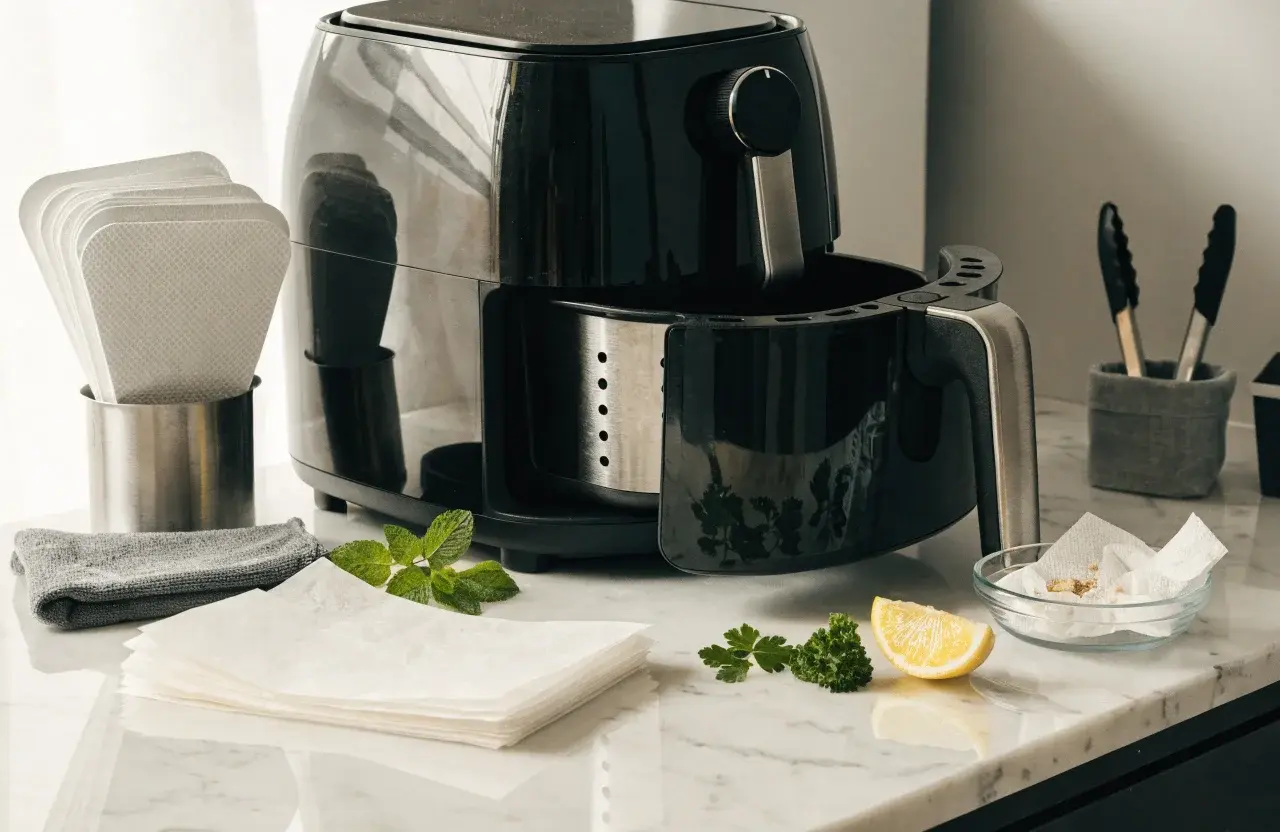
An air fryer is awesome, but it tends to become a magnet for gadgets and extra parts. Let’s cut the chaos and keep your counter space happy. This guide breaks down practical, no-fuss storage tips that actually work in real kitchens.
Why Storage Matters for Your Air Fryer Stuff
Your air fryer isn’t just a one-piece wonder. It comes with trays, racks, cords, and sometimes a few extras like a baking pan orเดือน liners. If you don’t store these properly, you’ll end up digging through drawers or losing essential parts. FYI, tidy storage also means your fryer performs better—less vignetting from dust or stuck-on grease.
Where to Start: The Big Picture
– Declutter first: pull out every accessory that came with your unit and decide what you actually use.
– Group similar items: keep trays with trays, lids with lids, and cords together.
– Create zones: a cooking zone, a spare parts zone, and a quick-grab zone near the kitchen exit or on the counter if you’re tight on space.
Storage Solutions by Space
Countertop vs Cabinets: Pros and Cons
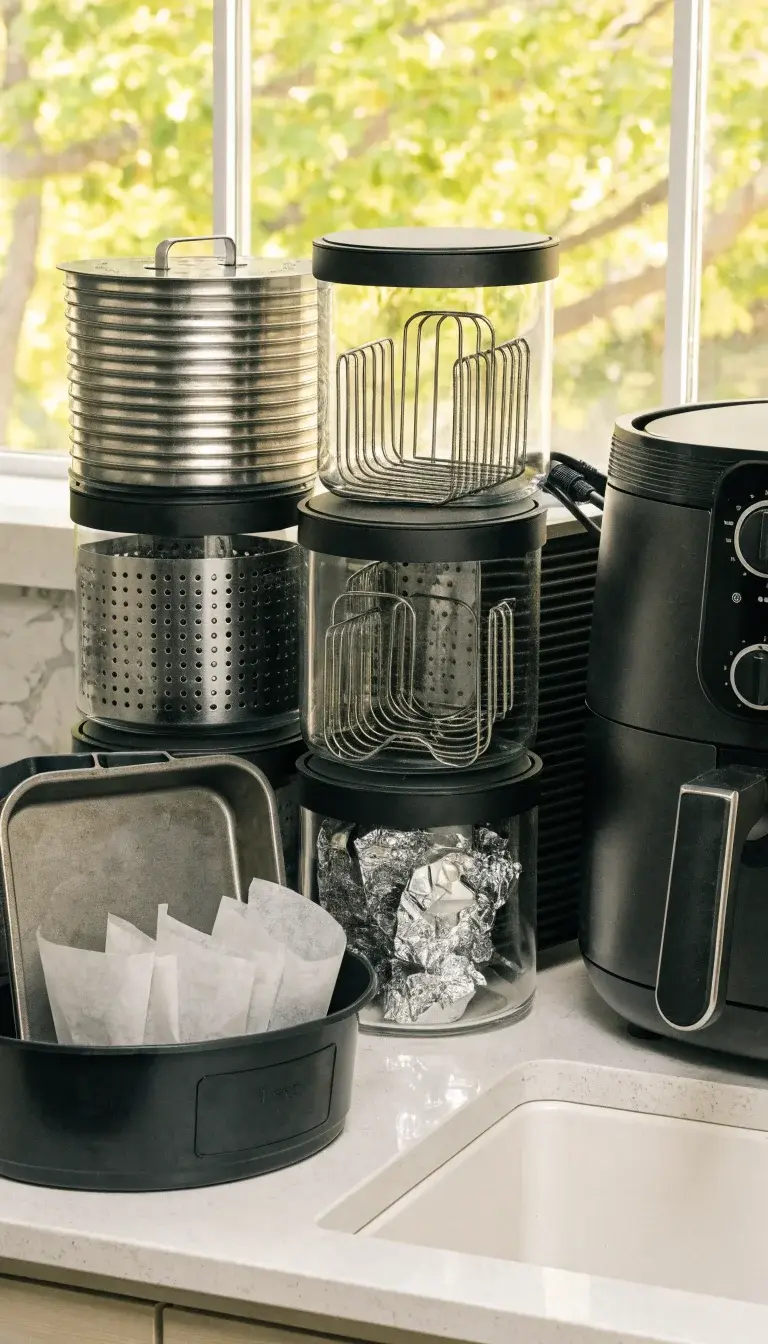
Many people love the countertop approach for quick access, but it invites dust and looks busy. If you cook daily, a compact, dedicated drawer or shelf nearby helps a ton. If you prefer a clean look, opt for a shallow cabinet or a pull-out drawer that nests the air fryer parts neatly.
Bins, Baskets, and Bungee Cords: The Simple System
– Use a shallow bin for lids and baskets to keep things visible.
– A small drawer organizer works wonders for utensils and small parts.
– For loose cords, a Velcro strap or cable tie keeps them tamed and tangle-free.
Clear Labels: No More “Where’s the Tray?” Moments
Label shelves or bins so you know at a glance where to return items. It saves you time and reduces the “where did I put that” spiral.
Smart Ways to Store the Core Parts
Base Unit Storage
– If you use your air fryer daily, store it in an easily accessible spot. A shallow cabinet with a non-slip liner prevents sliding when you slam the door (metaphorically—don’t slam doors, please).
– If you rarely use it, keep the unit on a high pantry shelf with the cord neatly wrapped and secured.
Trays, Racks, and Pans
– Keep trays and racks together in a single bin. If you have multiple sizes, sort by size inside the bin to maximize space.
– For occasional extras like baking pans, designate a “special-occasion” bin so they don’t get mixed in with daily-use items.
Accessories that Get Messy
– Silicone mats, parchment liners, and foil are handy but can take up space. Stack them in a dedicated drawer or use a small bin with a lid.
– Cleaning brushes and spray bottles deserve their own section—clean as you go so you never drown in sticky residue.
Maintenance Essentials for Longevity
Cleaning Without a Fight
– Wipe the exterior after every use to prevent grease buildup.
– Soak removable parts in warm, soapy water, then scrub with a non-scratch sponge.
– Dry thoroughly before reassembling. Moisture + electronics = a drama you don’t want.
Deep Clean Schedule
– Do a deep clean once a month or after heavy use periods. This means removing all components and inspecting seals, racks, and any nonstick surfaces for wear.
– FYI, avoid abrasive cleaners that can scratch coating. Gentle is the way to go.
Hiding in Plain Sight: Clever Storage Hacks
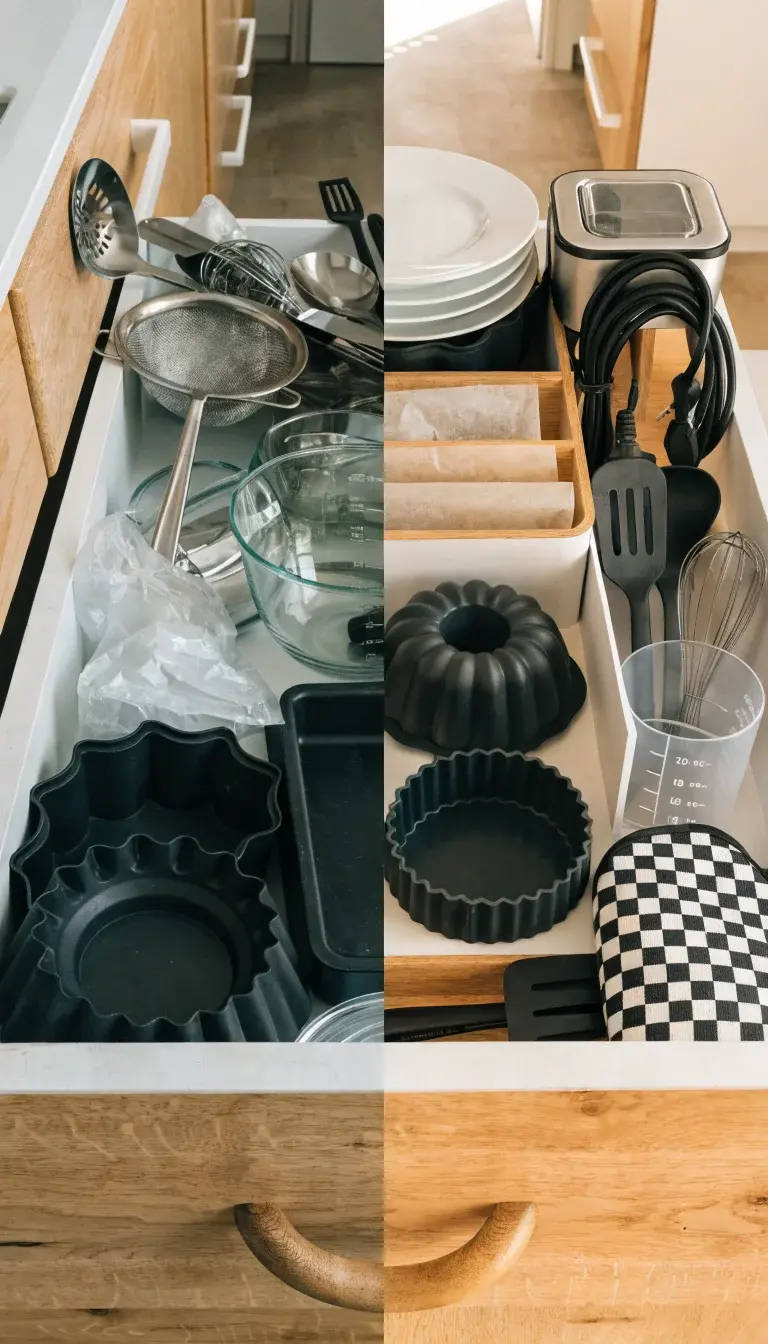
- Slide-out pantry shelf: A slim pull-out shelf creates a dedicated home for the air fryer parts without crowding your kitchen.
- Magnetic strip for small tools: Keep spatulas and brushes within reach on the side of a cabinet.
- Under-shelf baskets: Perfect for lids and parchment liners to keep counters clear.
- Stackable organizers: Use vertical space to separate different types of accessories.
Safety First: Handling and Storage Best Practices
- Let parts cool completely before storage. No one wants to reach for a “hot” lid, right?
- Avoid stacking heavy items on top of the air fryer. The door and hinge will thank you.
- Keep cords untangled and away from heat sources. A tangled cord is a firework show nobody asked for.
What If You Have a Tiny Kitchen?
Vertical Solutions
– Use wall-mounted racks or pegboards to hold lids, brushes, and parchment liners.
– A slim rolling cart can tuck in between counter spaces and slides out when you need it.
Hidden Storage Tricks
– Consider a double-duty cabinet insert that wedges into a cabinet to hold parts upright.
– Use the inside of cabinet doors for slim storage of small items like cleaning tools or liners.
Maintenance of Aesthetic: Keeping It Pretty
- Match colors and materials where possible to create a cohesive look.
- Clear containers help a lot with visual clutter; you’ll find what you need faster.
- Regularly reassess whether you actually use every accessory. If not, recycle, gift, or donate.
FAQ
Why should I store air fryer accessories separately from the main unit?
Keeping accessories separate prevents scratches, makes clean-up easier, and speeds up your cooking because you can grab exactly what you need without digging through a pile of parts.
Is it okay to store my air fryer on a high shelf?
Yes, if you don’t mind reaching for it. Just ensure the cord can reach the outlet safely and the unit isn’t top-heavy or at risk of falling when you retrieve it.
How can I maximize space in a small kitchen?
Use vertical storage, under-shelf baskets, and pull-out organizers. Group all parts by use and keep frequently used items within arm’s reach.
What should I do with parchment liners and silicone mats?
Store them in a dedicated bin or drawer. Roll parchment liners to keep them compact, and stack silicone mats flat to avoid warping.
How often should I deep clean my air fryer and parts?
Deep clean every 4 weeks if you use it a lot; otherwise, every 6–8 weeks. Immediate cleaning after heavy splatter days saves effort later.
Do I need to unplug the unit before storage?
Unplugging is smart whenever you’re cleaning or reorganizing. It’s safer and lowers the chance of accidents.
Conclusion
Storing an air fryer and its accessories doesn’t have to feel like assembling a space shuttle. With a little planning, you can keep everything you actually use within quick reach and your kitchen looking tidy. Tune your setup to your space, keep frequently used items accessible, and tuck away the rest where it won’t become a daily scavenger hunt. Your future self will thank you for not letting clutter sabotage your crispy ambitions.